What Is Micronization?
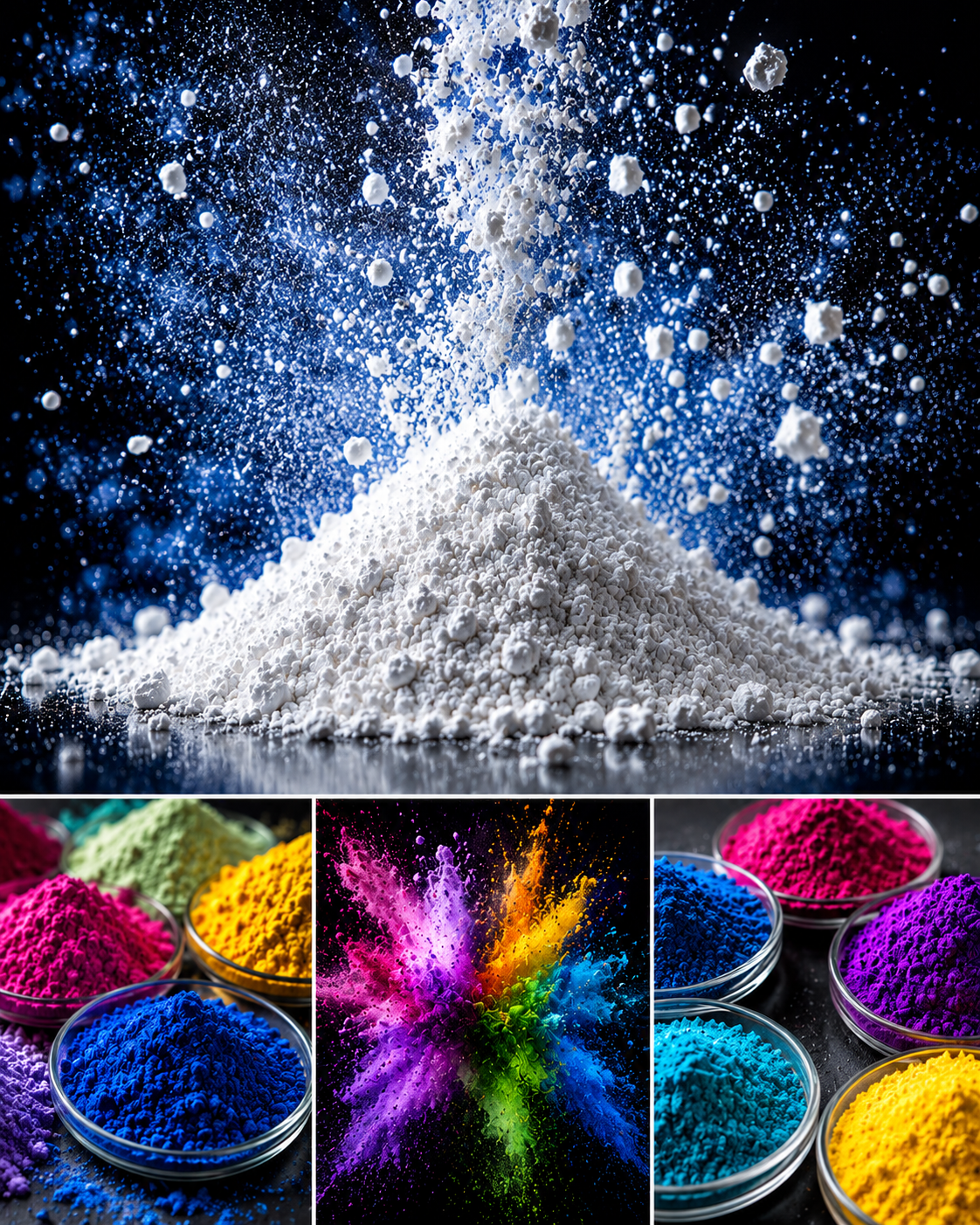
Micronization is an advanced particle size reduction process that transforms materials into particles measured in microns (µm) rather than millimeters.
For perspective:
- Human hair averages approximately 70 microns in diameter
- Typical flour particles range from 50–150 microns
- Micronized pharmaceutical ingredients often range from 1–20 microns
- Battery materials commonly require 5–30 micron particle sizes
- Advanced materials may require sub-micron processing
By reducing particle size into the micron range, manufacturers can dramatically increase particle surface area while improving particle size distribution and product consistency.
Why Manufacturers Use Micronization
Particle size influences nearly every aspect of product performance. Micronization allows manufacturers to create powders with highly controlled physical properties that improve both manufacturing efficiency and product quality.
Improved Dissolution Rates
Smaller particles expose more surface area, allowing materials to dissolve faster and more consistently.
This is particularly important for:
- Pharmaceutical ingredients
- Nutritional supplements
- Beverage powders
- Specialty food ingredients
- Water-soluble chemicals
Enhanced Bioavailability
Many pharmaceutical and nutraceutical products benefit from micronization because smaller particles can improve absorption and overall effectiveness.
Better Blend Uniformity
Micronized powders distribute more evenly throughout formulations, helping manufacturers achieve superior batch-to-batch consistency.
Increased Surface Area
Higher surface area often improves:
- Chemical reaction rates
- Catalytic performance
- Coating adhesion
- Pigment dispersion
- Battery conductivity
Superior Product Performance
Ultra-fine powders can improve:
- Powder flowability
- Product appearance
- Texture and mouthfeel
- Material functionality
- Processing efficiency
Typical Micronized Particle Size Ranges
The achievable particle size depends on the material’s characteristics and the milling technology selected.
| Technology |
Typical Particle Size |
| Air Classifier Mills |
5–100 Microns |
| Pin Mills |
20–200 Microns |
| Turbo Mills |
20–200 Microns |
| Jet Mills |
1–20 Microns |
| Advanced Fluid Energy Jet Mills |
Sub-10 Microns |
| Cryogenic Milling Systems |
Application Specific |
Our engineers evaluate every material individually to determine the most efficient and cost-effective micronization technology.
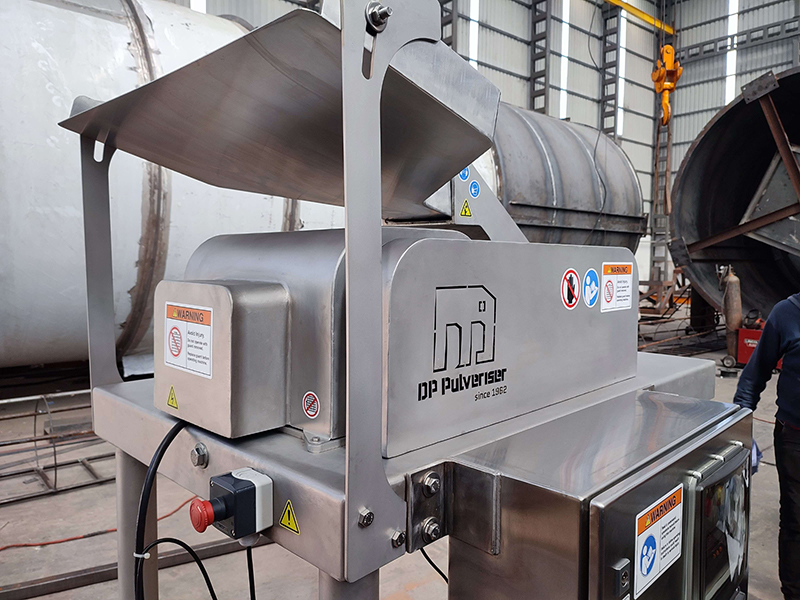
Micronization Technologies Offered by DP Mills USA
Jet milling is the preferred technology for many ultra-fine grinding applications.
Using high-pressure compressed air or inert gas, particles collide with one another at extremely high velocities, producing particle size reduction without mechanical grinding media.
Benefits include:
- Ultra-fine particle sizes
- Minimal contamination
- High product purity
- Excellent particle size control
- Ideal for pharmaceutical and battery applications
Commonly processed materials include:
- APIs
- Lithium battery materials
- Specialty chemicals
- Ceramics
- Electronic materials
Air Classifier Mills combine impact milling with dynamic particle classification in a single machine.
Advantages include:
- Tight particle size distribution
- Continuous classification
- High throughput capacity
- Excellent process control
- Reduced over-grinding
Ideal applications include:
- Food ingredients
- Minerals
- Nutraceuticals
- Chemicals
- Industrial powders
Certain materials become difficult to process due to heat sensitivity, elasticity, or melting tendencies.
Cryogenic milling uses liquid nitrogen to lower product temperatures prior to and during grinding.
Ideal for:
- Plastics
- Rubber
- Elastomers
- Waxes
- Spices
- Heat-sensitive ingredients
Cryogenic processing improves brittleness while protecting sensitive materials from thermal degradation.
Industries Utilizing Micronization
Micronization plays a critical role in modern pharmaceutical production.
Applications include:
- Active Pharmaceutical Ingredients (APIs)
- Dry powder inhalers
- Controlled-release formulations
- Generic drug production
- Research and development
Precise particle size control often directly impacts dissolution rates, absorption, and therapeutic effectiveness.
Micronized ingredients improve:
- Solubility
- Blend uniformity
- Product consistency
- Consumer experience
Applications include vitamins, minerals, botanical extracts, and protein supplements.
Food & Beverage Processing
Micronization is commonly used for:
- Functional food ingredients
- Flavor systems
- Beverage powders
- Protein powders
- Specialty additives
- Nutritional ingredients
The rapidly growing battery industry relies heavily on micronization for processing:
- Cathode materials
- Anode materials
- Conductive additives
- Lithium compounds
- Advanced battery chemistries
Precise particle size distributions help improve battery performance, consistency, and manufacturing efficiency.
Applications include:
- Pigments
- Coatings
- Catalysts
- Polymers
- Specialty additives
- Fine chemicals
Advanced Materials & Nanotechnology
Micronization supports the development of:
- Technical ceramics
- Electronic materials
- Carbon-based materials
- Graphene
- Composite materials
- Nanotechnology applications
Critical Factors When Selecting a Micronization System
Successful micronization requires understanding several material characteristics:
Material Hardness
Harder materials often require specialized milling technologies capable of generating higher impact energy.
Heat Sensitivity
Temperature-sensitive products may require cryogenic or low-temperature processing methods.
Purity Requirements
Many pharmaceutical and advanced material applications demand contamination-free processing technologies such as jet milling.
Particle Size Distribution
Many products require not only a target particle size but also a narrow distribution to ensure consistent performance.
Production Capacity
DP Mills USA offers solutions ranging from laboratory and pilot-scale systems to full-scale industrial production lines capable of processing thousands of pounds per hour.
Sanitary & Pharmaceutical-Grade Micronization Systems
For food, pharmaceutical, and nutraceutical manufacturers, DP Mills USA offers systems designed to meet stringent sanitary requirements.
Available features include:
- 304 stainless steel construction
- 316L stainless steel construction
- Polished product contact surfaces
- GMP-compliant designs
- Washdown construction
- Easy-clean configurations
- Validation support
- CIP-ready options
These designs help manufacturers maintain product integrity while simplifying cleaning and maintenance.
Explosion Protection & Dust Safety
Many micronized powders create combustible dust hazards that must be addressed through proper system design.
DP Mills USA can provide:
- Explosion venting
- Explosion suppression systems
- Dust collection systems
- Inert gas processing
- Nitrogen blanketing
- NFPA-compliant designs
Safety and regulatory compliance remain central to every micronization system we engineer.