Carbon Coke: What It Is, Why It Matters, and How DP Pulverizers Delivers Precision Milling for Modern Industries
Carbon coke is one of those materials that quietly powers the world. It sits behind steelmaking, battery production, advanced carbon products, chemical synthesis, and specialized metallurgical processes. Yet despite its importance, carbon coke can be difficult to process—its hardness, abrasiveness, and variability make fine milling a technical challenge.
DP Pulverizers is engineered specifically for these challenges, providing air classifier mill systems designed to produce consistent, ultra-fine carbon coke powders used across global industries.
This article explores what carbon coke is, where it’s used, why fine milling matters, and how DP Pulverizers provides the most effective, efficient, and reliable solution for grinding carbon coke to precise micron sizes.
What Is Carbon Coke?
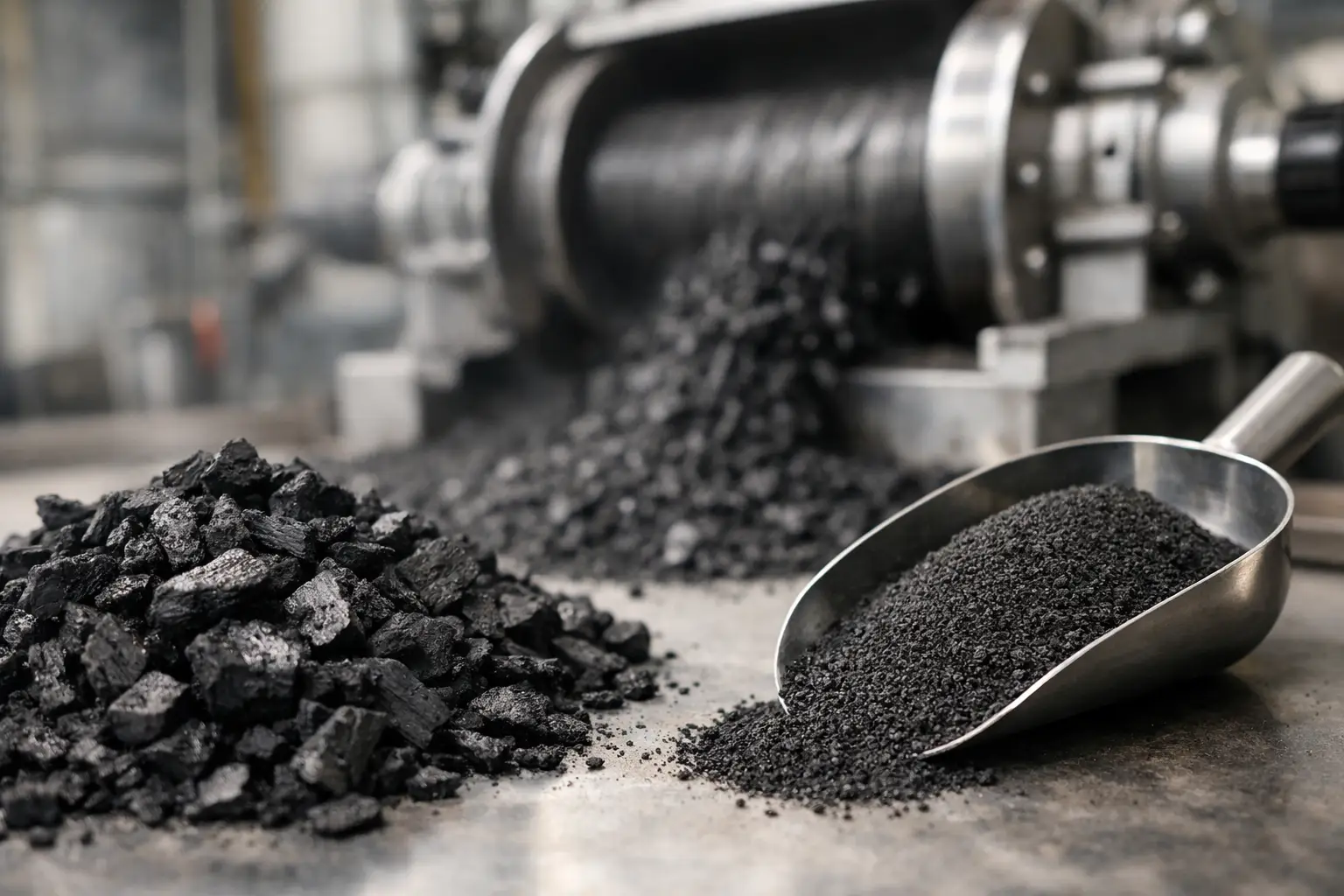
Carbon coke is the solid carbon residue produced from heating coal, petroleum, or other carbon-rich feedstocks in the absence of oxygen. This thermal conversion drives off volatile components, leaving behind a hard, carbon-dense material with properties that make it essential in high-temperature and high-strength applications.
Depending on the source and refining method, carbon coke appears in several forms:
- Petroleum coke (petcoke) – derived from oil refinery coking processes
- Metallurgical coke (met coke) – produced from coal for steelmaking
- Needle coke – a premium-grade coke used in electrodes and advanced carbon products
- Calcined coke – heat-treated to improve purity and carbon content
Regardless of the type, carbon coke is known for its hardness, abrasiveness, low ash content, and high carbon purity—qualities that make it valuable but also difficult to grind.
Applications and Industries Using Carbon Coke
Carbon coke is a foundation material across several high-value industries:
1. Steel & Metallurgical Industries
Coke is used as a reductant, fuel source, and structural support in blast furnaces and electric arc furnaces. Finer carbon coke powders are also used in:
- Sinter production
- Foundry mixes
- Mold additives
- Carbon injection systems
2. Aluminum & Non-Ferrous Metals
The aluminum smelting process relies heavily on carbon products. Carbon coke is milled into fine powders to produce:
- Anode paste
- Cathode blocks
- Pitch-coke mixtures
- Conductive additives
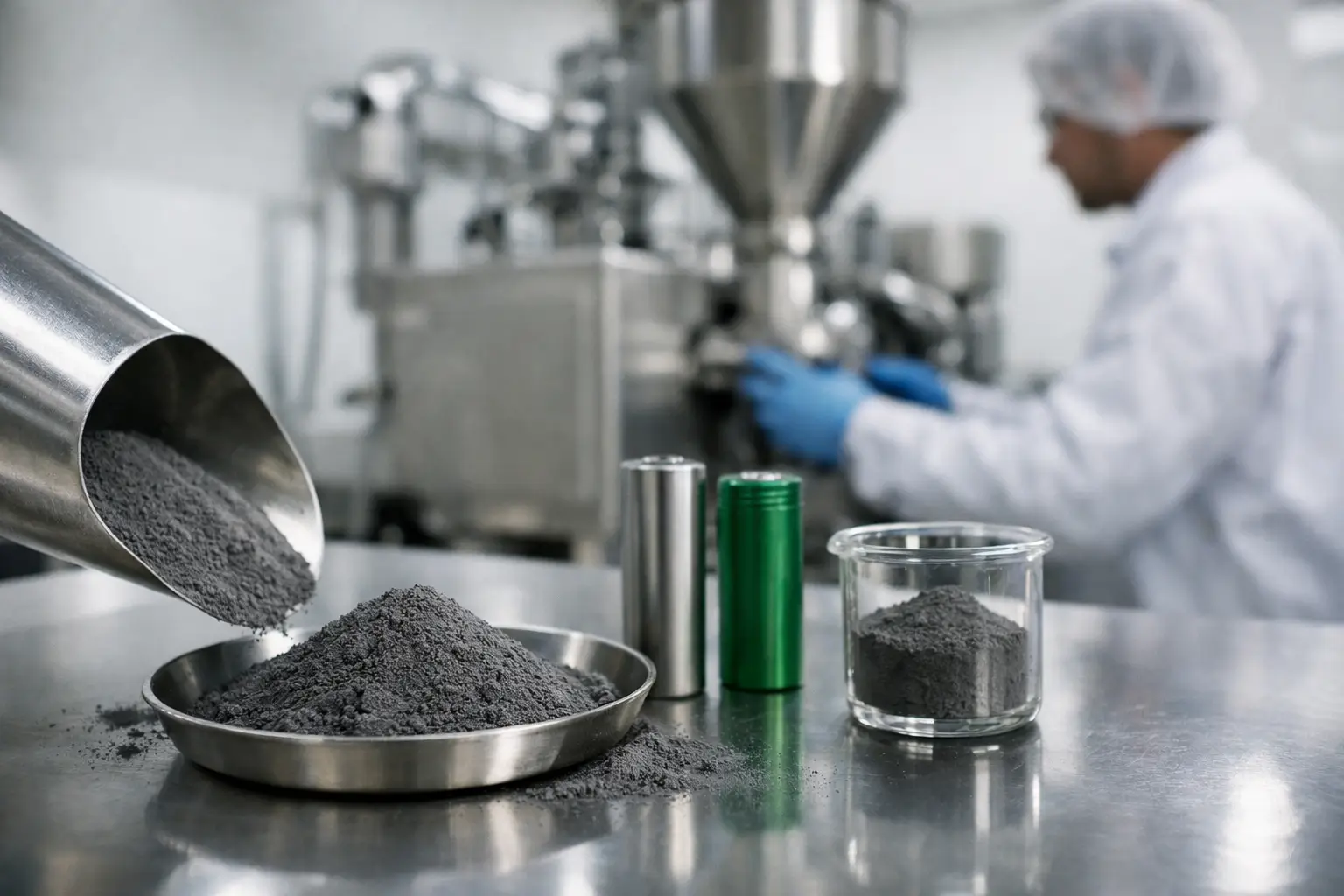
3. Battery & Energy Storage Industries
Carbon coke is milled to extremely fine sizes for use in:
- Anode materials
- Conductive carbons
- Carbon additives for lithium-ion cathodes
- Specialty graphitized materials
As battery manufacturing advances, ultra-fine coke powders (D90 10–30 µm) are in higher demand than ever.
4. Chemical & Industrial Processing
Carbon coke powder serves as:
- A catalyst support
- A carbon additive in reaction beds
- A pigment base or opacifier
- A filtration media component
5. Carbon Products & Advanced Materials
Industries use milled coke to produce:
- Carbon black alternatives
- Graphite precursors
- Refractory coatings
- Carbon seals and lubricants
- Composites and engineered carbon structures
The common thread? Almost every modern industry that touches carbon materials depends on consistent, finely milled carbon coke.
Why Milling Carbon Coke Is Challenging
Carbon coke is notoriously difficult to reduce in size. Manufacturers often face:
1. High Abrasiveness
Coke rapidly wears down grinding components, causing inconsistent particle size and excessive machine maintenance.
2. Heat Generation
Fine grinding generates heat, which can lead to agglomeration, classifier instability, and reduced product quality.
3. Particle Variability
Feedstock inconsistencies require precise control of rotor tip speed, airflow, and classifier speed.
4. Dust Control Challenges
Carbon dust is extremely fine, lightweight, and difficult to contain, requiring proper filtration and air management.
Producing a D90 of 30 microns or finer demands a milling system engineered specifically for abrasive minerals—and this is where DP Pulverizers excels.
How DP Pulverizers Processes Carbon Coke
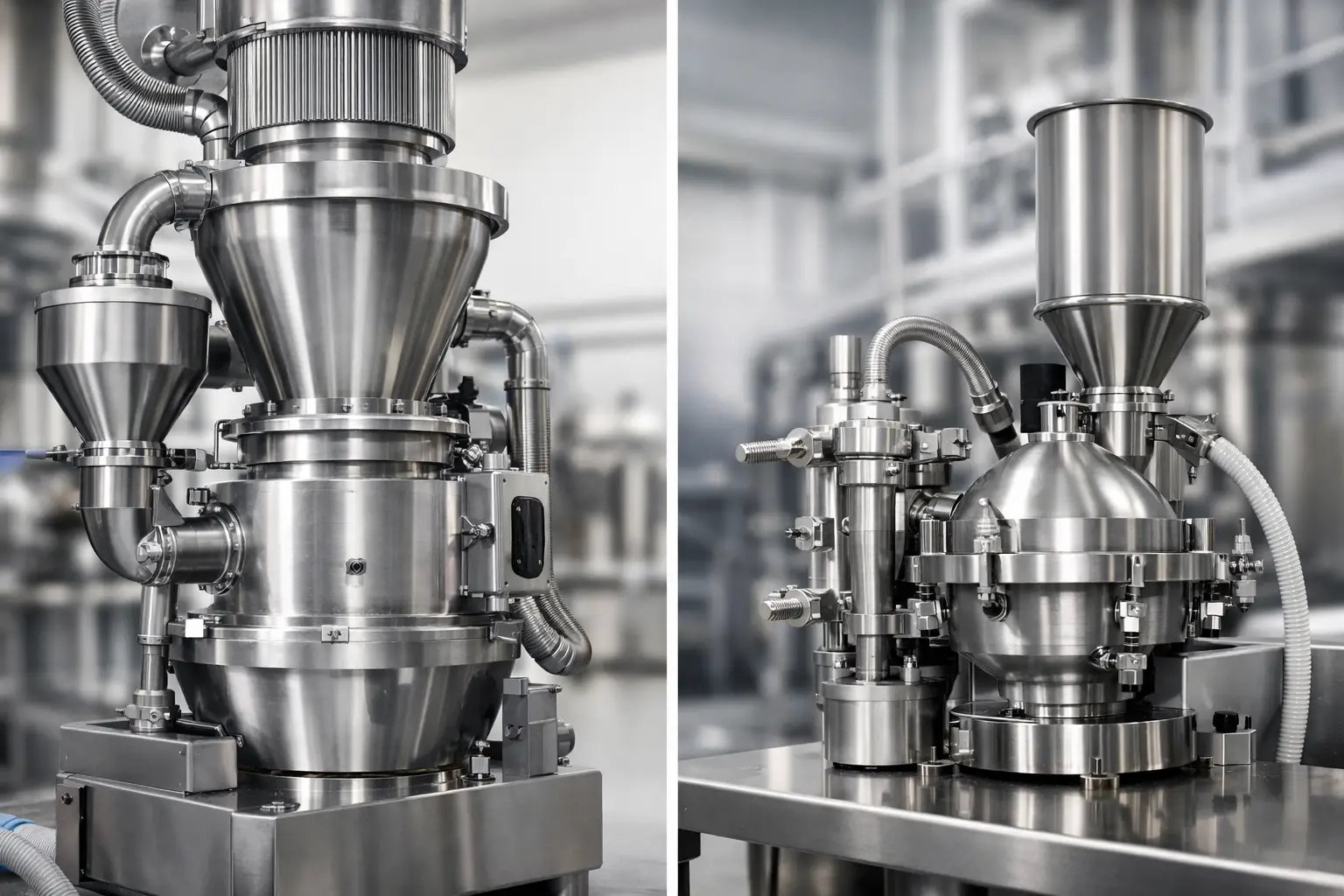
DP Pulverizers uses advanced Air Classifier Mill (ACM) technology to produce tight particle-size distributions with high throughput and minimal wear. The process integrates grinding, classification, and conveying in a single compact system.
Here’s how it works:
1. Controlled Feeding
A vibratory feeder ensures a steady, uniform feed of carbon coke into the mill, preventing surging that can overload the classifier or cause uneven grinding.
2. High-Speed Grinding
Inside the ACM, bar-type alloy steel hammers strike the particles at high RPM. A serrated liner enhances impact, accelerating size reduction while resisting wear.
3. Integrated Classification
A variable-speed classifier wheel separates fine particles from coarser ones in real time.
Only material meeting the target fineness passes through—everything else is redirected back to the grinding zone.
This is key for achieving D90 = 30µm, 20µm, or even finer grades.
4. Airflow-Assisted Cooling and Conveying
A controlled airflow system extracts heat from the chamber, stabilizes product behavior, and reduces agglomeration—critical for materials like coke.
5. Cyclonic Separation & Dust Collection
High-efficiency cyclones remove coarse fractions, while pulse-jet dust collectors trap ultrafines and maintain a clean, safe working environment.
6. Complete System Automation
VFDs on both the rotor and classifier motors allow operators to fine-tune the particle size.
The result is a consistent, repeatable fine carbon coke powder suitable for demanding industrial applications.
How DP Pulverizers Answers the Need for Carbon Coke Milling
DP Pulverizers is engineered specifically for mineral, chemical, and carbon-based powders that demand:
- Ultra-fine milling to D90 below 30 µm
- High wear resistance
- Low operational cost
- Continuous, stable performance
- Clean and dust-controlled operation
- Small footprints for lab, pilot, or production systems
Our ACM systems—including the DP® ACM-5, ACM-10, ACM-20, and larger units—offer unmatched advantages when working with carbon coke:
• Wear-Resistant Construction
Alloy steel hammers, serrated liners, and SS304 contact parts minimize downtime and extend service life.
• Precision Particle Control
Independent VFD-controlled motors on the rotor and classifier deliver tight particle size distributions.
• Lower Heat Generation
Optimized airflow and efficient grinding geometry keep temperatures low, preventing product deterioration.
• Fully Integrated Dust Management
Cyclones and pulse-jet dust collectors ensure a clean, compliant environment.
• Scalable Solutions
From 5–10 kg/hr pilot systems to multi-ton-per-hour industrial mills, DP Pulverizers supports every stage of production.
• Backed by PerMix Americas
North American service, support, spare parts, commissioning, and long-term partnership—something stand-alone mills rarely offer.
Conclusion
Carbon coke is a backbone material for steelmaking, aluminum production, batteries, chemicals, and advanced carbon technologies. But handling and milling it to precise micron sizes requires equipment built specifically for hard, abrasive carbon materials.
DP Pulverizers provides that solution.
With advanced air classifier mill systems, wear-resistant construction, precision particle control, and complete dust-management integration, DP Pulverizers delivers consistent performance for manufacturers who require finely milled carbon coke—with the support and reliability of PerMix Americas standing behind every system.
If your operation needs consistent, ultra-fine carbon coke powder, DP Pulverizers offers the technology and experience to elevate your production process.