Air-Classifying Mills: Precision Without Compromise & How DP Pulverizers Redefines Precision Fine Milling
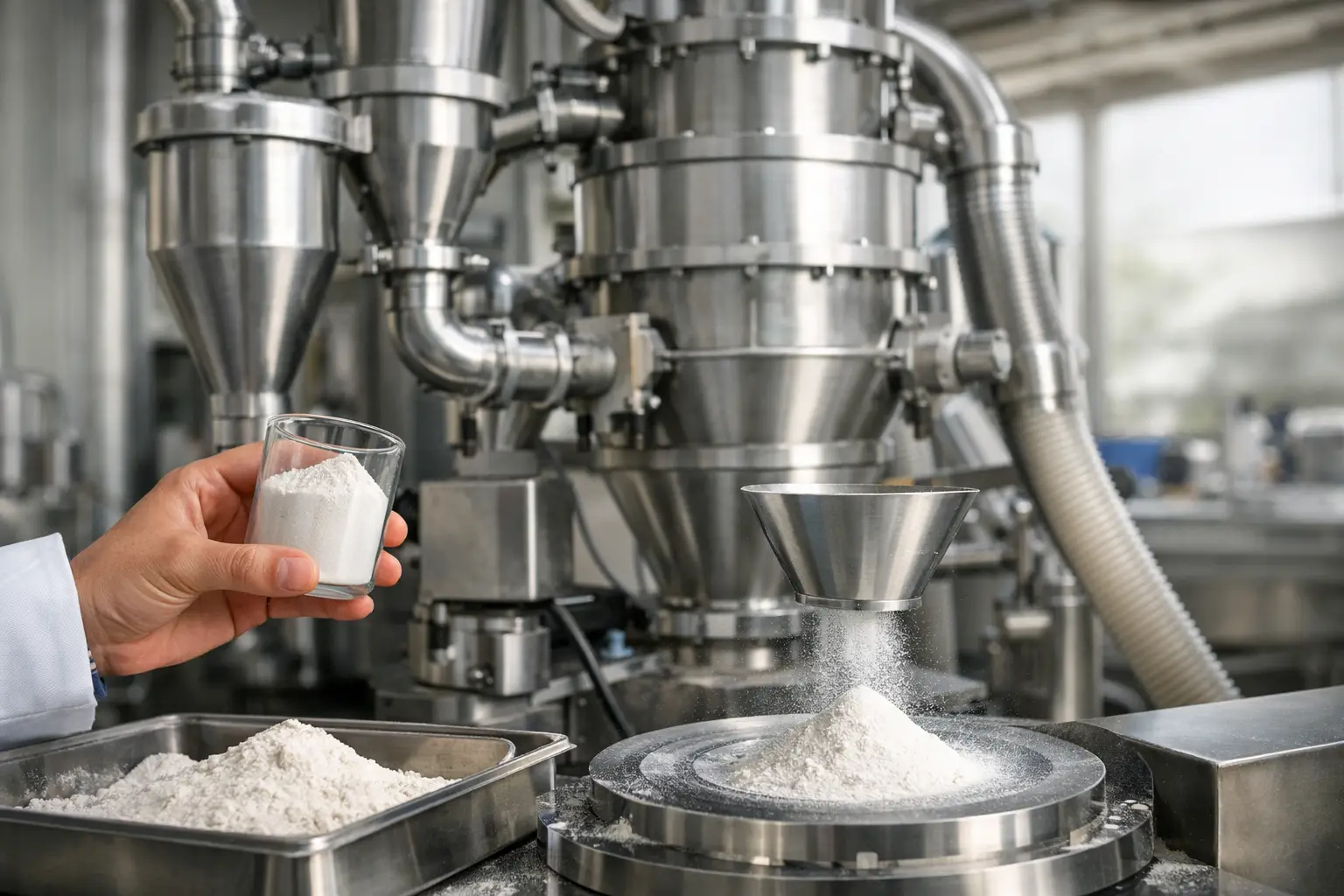
Precision powder processing is one of the quiet engines of modern manufacturing. Whether the end product is a pharmaceutical API, a graphene-enhanced battery material, a nutrient-dense protein isolate, or a fine chemical, the path to performance always travels through particle engineering. The tighter the cut, the cleaner the powder. The cleaner the powder, the better the product.
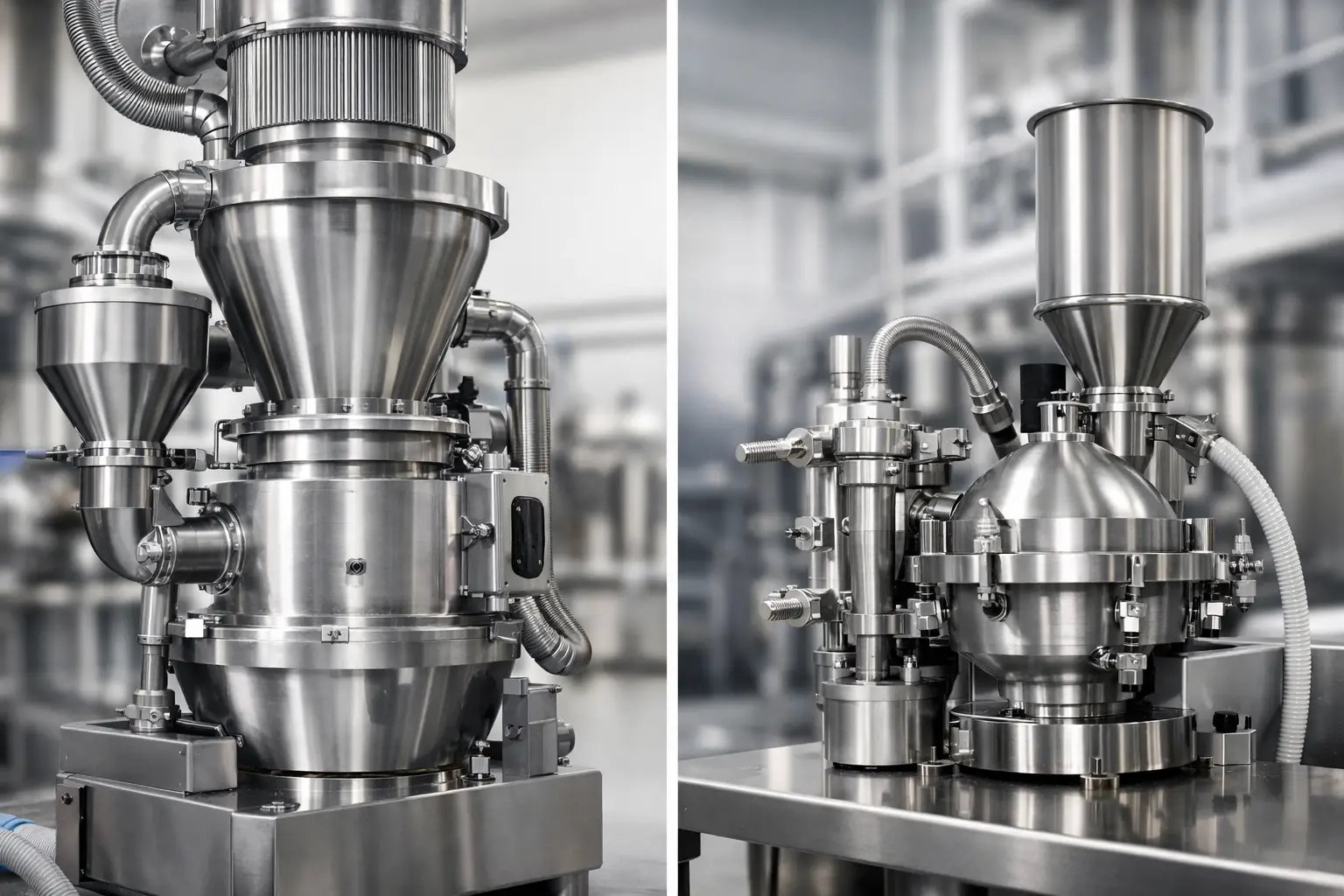
This is where DP Pulverizers’ air-classifying mills stand apart. Designed from the ground up for accuracy, efficiency, and contamination-free results, they bring a level of control that turns milling into a predictable, scalable, and repeatable science.
The Principle Behind Air-Classifying Mills—And Why It Matters
Air-classification is an elegant solution to a messy industrial challenge: how do you mill materials finely without overheating them, smearing them, or spreading your particle sizes across an unmanageable curve?
A DP air-classifying mill answers this in three simultaneous steps:
1. High-speed impact milling breaks particles instantly.
2. Controlled airflow carries particles along specific aerodynamic paths.
3. An integrated classifier separates fines from coarse particles in real time.
Oversized particles loop back for re-milling. Fines pass through at the exact cut size you choose.
It’s milling with a built-in intelligent sorting system—no screens, no manual intervention, no inconsistency.
DP takes this principle and amplifies it with innovations in geometry, airflow control, and cooling efficiency.
What Makes DP Pulverizers’ Air-Classifying Systems Different
DP’s approach to air-classification is rooted in engineering disciplines other manufacturers overlook. The system is tuned not just for grinding—but for precision powder behavior.
Ultra-Stable Airflow Dynamics
Inside a DP mill, turbulence is minimized and velocity gradients are controlled. This gives you a sharper classification cut and fewer out-of-spec particles.
Narrow Particle Size Distributions
Tight top-size control means powders flow better, dissolve better, disperse better, mix better, and compress better—critical in industries where performance hinges on uniformity.
Lower Milling Temperatures
Cooler milling protects heat-sensitive actives, delicate pigments, botanicals, nutraceuticals, and polymers from degradation.
Contamination-Free Operation
Internal surfaces and classifier components are engineered to prevent metal-to-metal interactions, ensuring ultra-clean results.
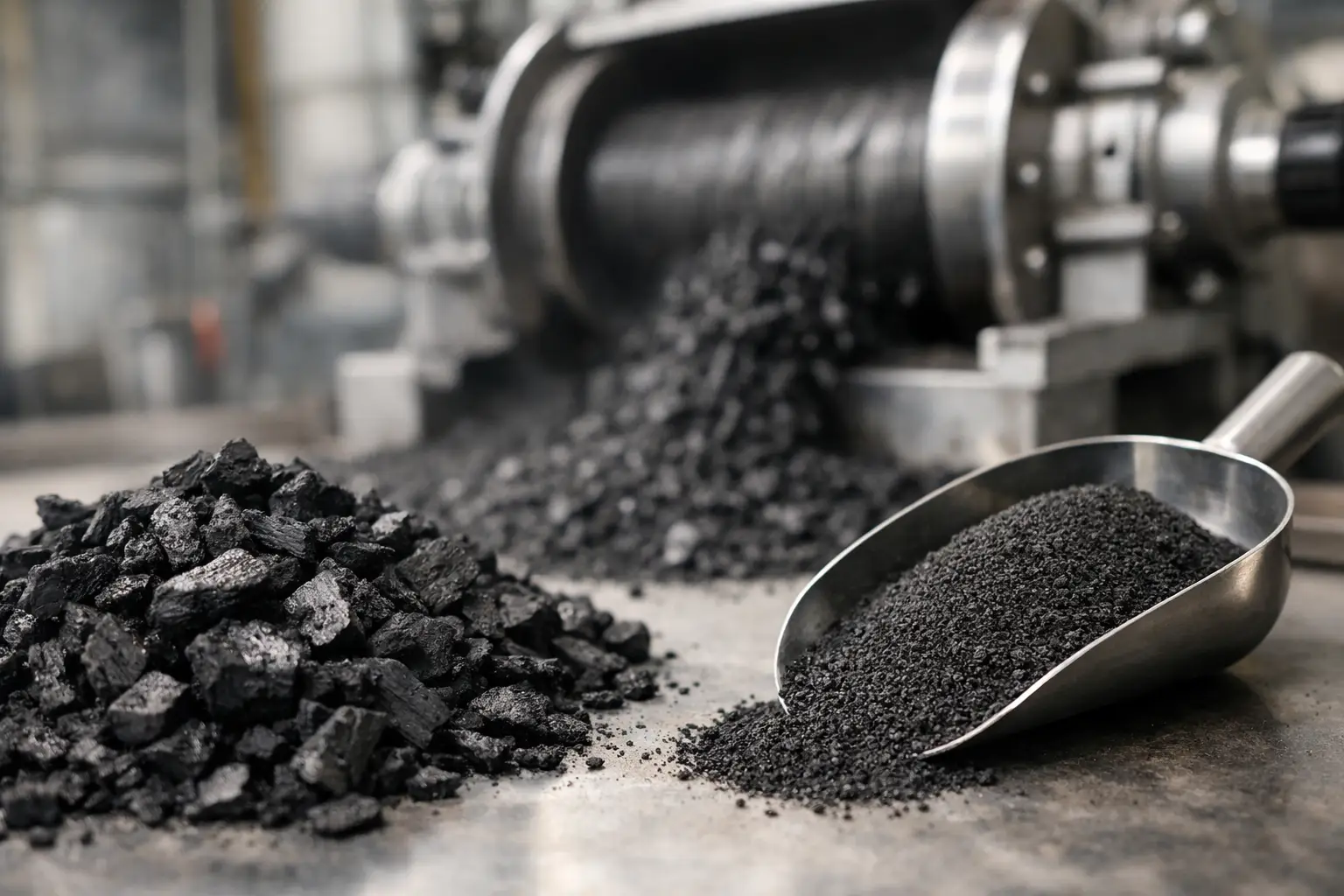
Wear Protection for Abrasive Materials
Options include hardened alloys, ceramics, and specialized coatings for aggressive minerals and engineered materials.
Energy-Efficient Throughput
DP mills are designed to produce more finished product per kW of power, lowering operational cost without sacrificing precision.
This constellation of engineering improvements leads to powders that meet spec on day one—and stay consistent for years of production.
Industries That Depend on Precision Air-Classifying
Air-classifying technology sits at the center of countless industrial value chains. Any process that relies on powders—clean, consistent, and controlled—benefits from DP’s systems.
Pharmaceuticals & Nutraceuticals
• APIs
• Botanical extracts
• Vitamins
• Functional additives
• Controlled-release materials
Here, particle size impacts everything from bioavailability to blend uniformity to final dosage accuracy.
Battery Materials & Advanced Energy
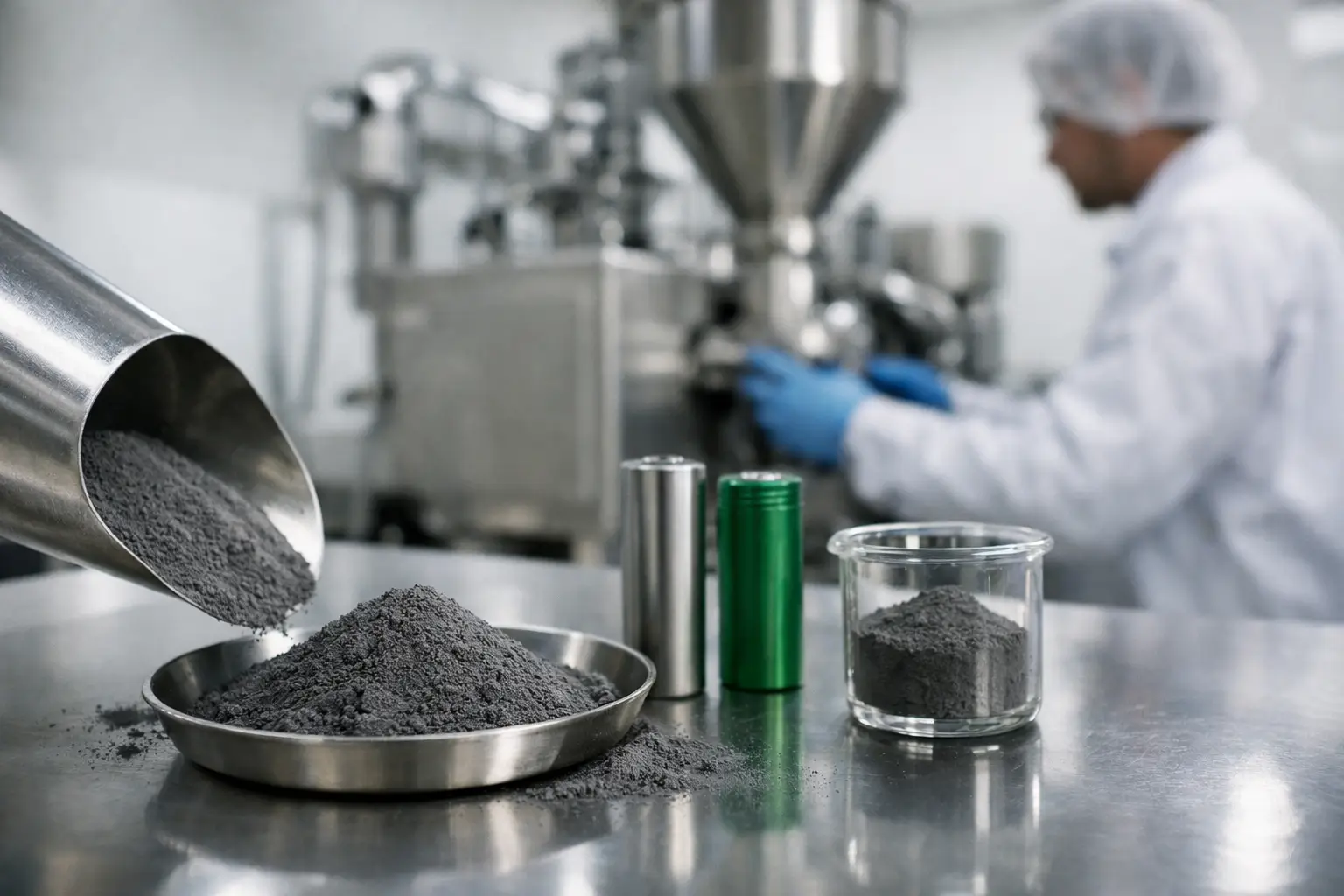
• Carbon powders
• Conductive blacks
• Graphene blends
• Cathode/anode precursors
• Solid-state electrolyte materials
Next-generation energy storage requires the tightest PSDs possible—DP delivers exactly that.
Food & Beverage Ingredients
• Spices
• Protein isolates
• Flavor carriers
• Starches
• Specialty carbohydrates
• Hydrocolloids
Air-classifying preserves color, aroma, stability, and functionality.
Chemicals & Specialty Polymers
• Resins
• Pigments
• Polymers
• Additives
• Catalysts
Consistency leads directly to better reactivity and better product behavior.
Minerals & Mining Additives
• Talc
• Calcium carbonate
• Zeolites
• Silica
• Alumina
High-abrasion materials pair perfectly with DP’s wear-resistant build options.
Sustainability & Recycling
• Upcycled composites
• Recycled polymers
• Bio-composites
• Renewable feedstocks
Air-classifying helps turn waste streams into premium-grade feedstocks.
The Future: Air-Classifying as a Foundation for Advanced Materials
Industries are shifting toward cleaner formulations, higher-purity inputs, and digital-traceable production. Air-classification plays a growing role in:
• Plant-based proteins
• Pharmaceutical scale-up
• Electric vehicle batteries
• 3D printing powders
• Carbon-negative materials
• Functional nutraceuticals
• Bio-derived chemicals
As materials evolve, the need for precise particle engineering becomes non-negotiable.
DP Pulverizers is building systems ready for that future.
Why Manufacturers Choose DP Pulverizers
Companies partner with DP because they recognize three truths:
1. Powder performance defines product performance.
2. Particle size is one of the few variables that can’t be “fixed later.”
3. Consistency is worth more than capacity.
DP Pulverizers delivers precision, repeatability, and long-term reliability—ensuring your milling line becomes a quiet, powerful engine behind your product success.