Peach Pits, Peach Skins & the Science Behind Organic Livestock Feed: A Rediscovered Advantage
In the 1970s, a small agricultural supplier known as Old Dutchman experimented with something unusual: using dried, ground peach pits in poultry feed as a natural way to support digestion and reduce mortality. The idea was ahead of its time — a sustainable, functional feed additive decades before “organic agriculture” became mainstream.
Today, that concept is resurging, supported by advanced nutrition science and the kind of precision processing technology that PerMix and DP Pulverizers specialize in. What was once a rural curiosity has become a credible, sustainable, performance-driven opportunity for organic poultry and livestock producers.
But this time, with modern engineering behind it, the risks are understood — and the results are far more controllable.
Why Peach Pits Work: The Gut-Health Science Behind the Concept
Poultry physiology is remarkably dependent on the function of the gizzard — a muscular grinding organ that relies on grit to break down feed. Peach pits, when dried and milled correctly, serve as:
- slow-wearing abrasive particles
- natural digestibility enhancers
- non-nutritive carriers for supplements
Improving gizzard efficiency improves:
- nutrient absorption
- immune function
- feed conversion ratio (FCR)
- overall flock health
This was the mechanism Old Dutchman stumbled into. Modern research now confirms the relationship between gizzard development, gut microbiome balance, and reduced flock mortality.
Peach Skins Add a Second Layer of Benefits
Peach skins, once discarded as waste, now offer valuable bioactive compounds:
- polyphenols
- natural antioxidants
- soluble and insoluble fibers
- mild antimicrobial constituents
- natural carotenoid pigments
In organic feed systems, peach skins can help:
- stabilize gut flora
- protect against oxidative stress
- improve feed aroma and palatability
- reduce the need for synthetic antioxidants
- bind moisture in mash feed
This blend of pits + skins creates a potent, natural functional ingredient.
The Critical Warning: Why Peach Pits Can Be Dangerous If Processed Incorrectly
This is where the article becomes credible — the danger is real, and the solution is not “simple grinding.” It’s engineering.
Peach pits contain amygdalin, a cyanogenic glycoside that can release hydrogen cyanide (HCN) when improperly processed.
Uncontrolled use can pose risks to poultry and livestock.
What makes peach pits dangerous?
- Amygdalin concentration varies between peach varieties and even individual fruits.
- Improperly dried pits can ferment or degrade, increasing cyanogenic potential.
- Oversized particles can cause mechanical injury in the gizzard.
- Inconsistent particle size can lead to uneven blending, creating “hot spots” of concentration.
- Inadequate blending causes portions of feed to receive unsafe levels.
This is exactly why using raw, home-ground, or improperly milled peach pits is risky.
Why precision processing eliminates the risk
Modern equipment solves these issues through:
- high-temperature drying to stabilize amygdalin
- controlled milling environments to prevent overheating
- precise particle-size classification to eliminate oversized fragments
- air-classification systems that isolate the safe size range
- uniform, homogenous mixing so inclusion rates are stable
This is not an old-fashioned hammermill job — it requires real process engineering.
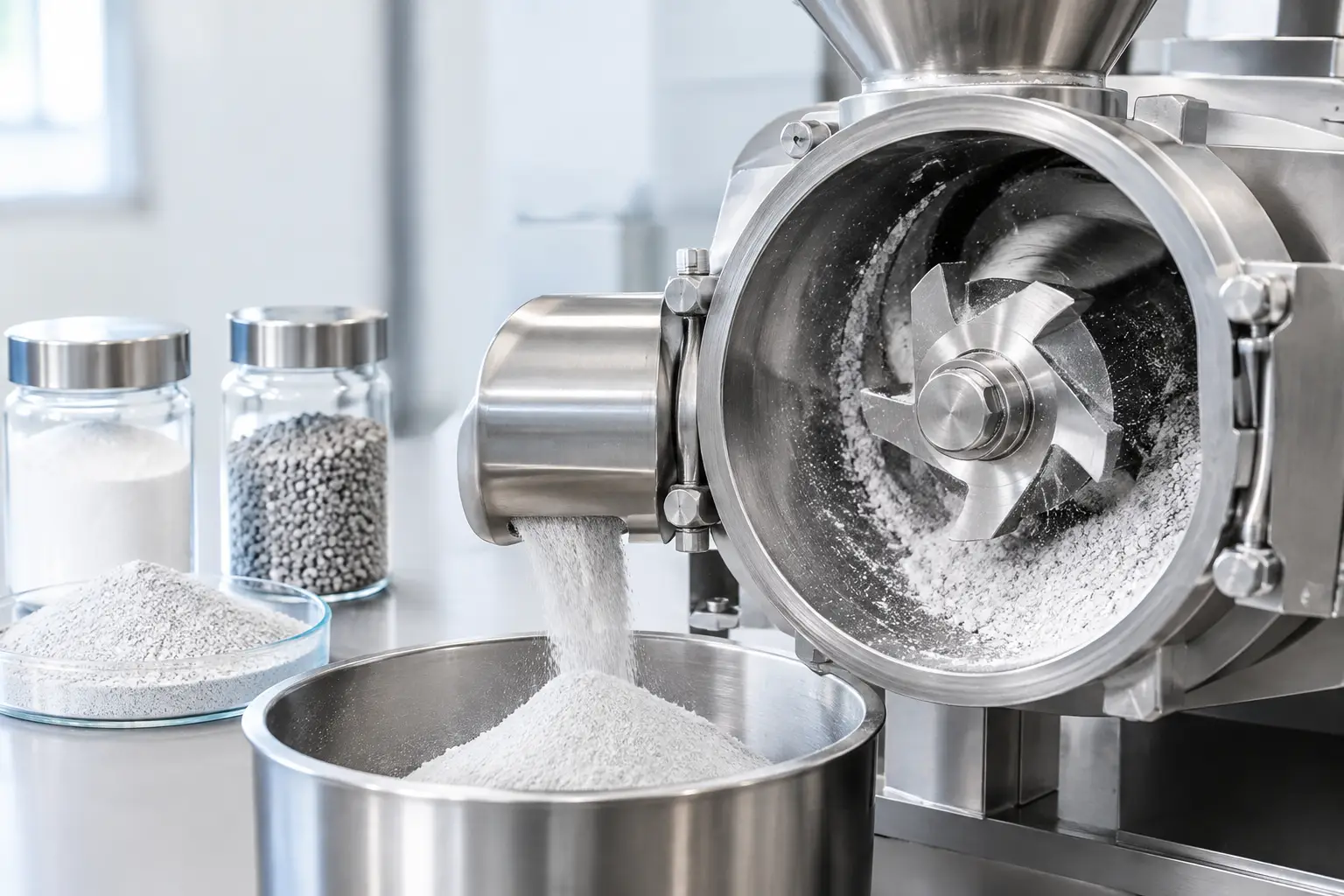
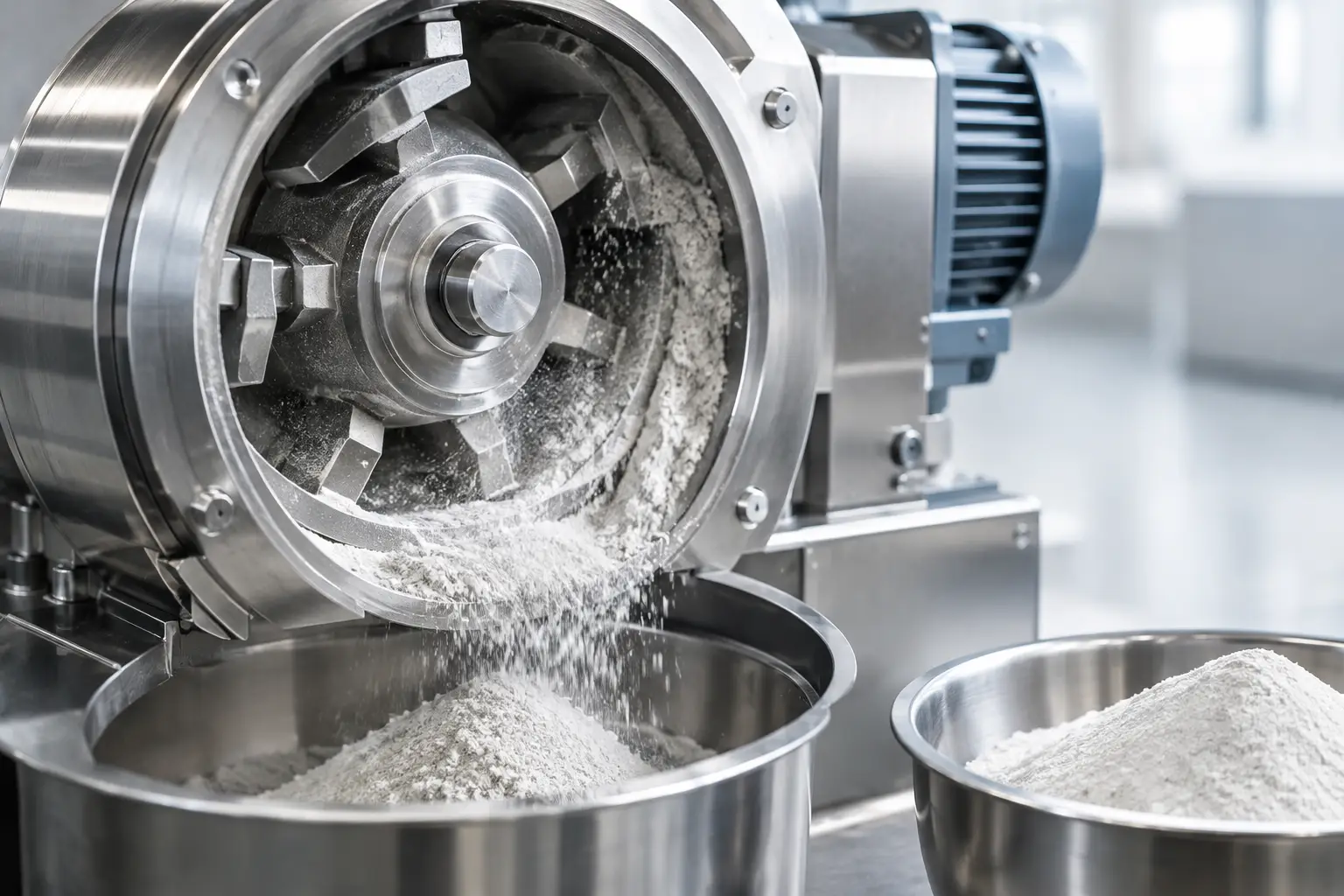
How DP Pulverizers Controls Risk Through Precision Milling
DP Pulverizers solves each technical challenge safely:
1. Cryogenic, ACM, and Turbo Milling
Low-heat milling prevents chemical alteration of amygdalin and preserves fiber integrity.
2. Tight Particle-Size Distribution (PSD) Control
Air classifier mills (ACM) keep particles within the safe and functional band.
3. Multi-stage Separation
Oversized or irregular fractions are automatically rejected.
4. Hygienic, dust-controlled systems
Prevents cross-contamination and ensures ingredient purity.
This level of precision is what transforms peach pits from “dangerous waste” into “functional feed micro-ingredients.”
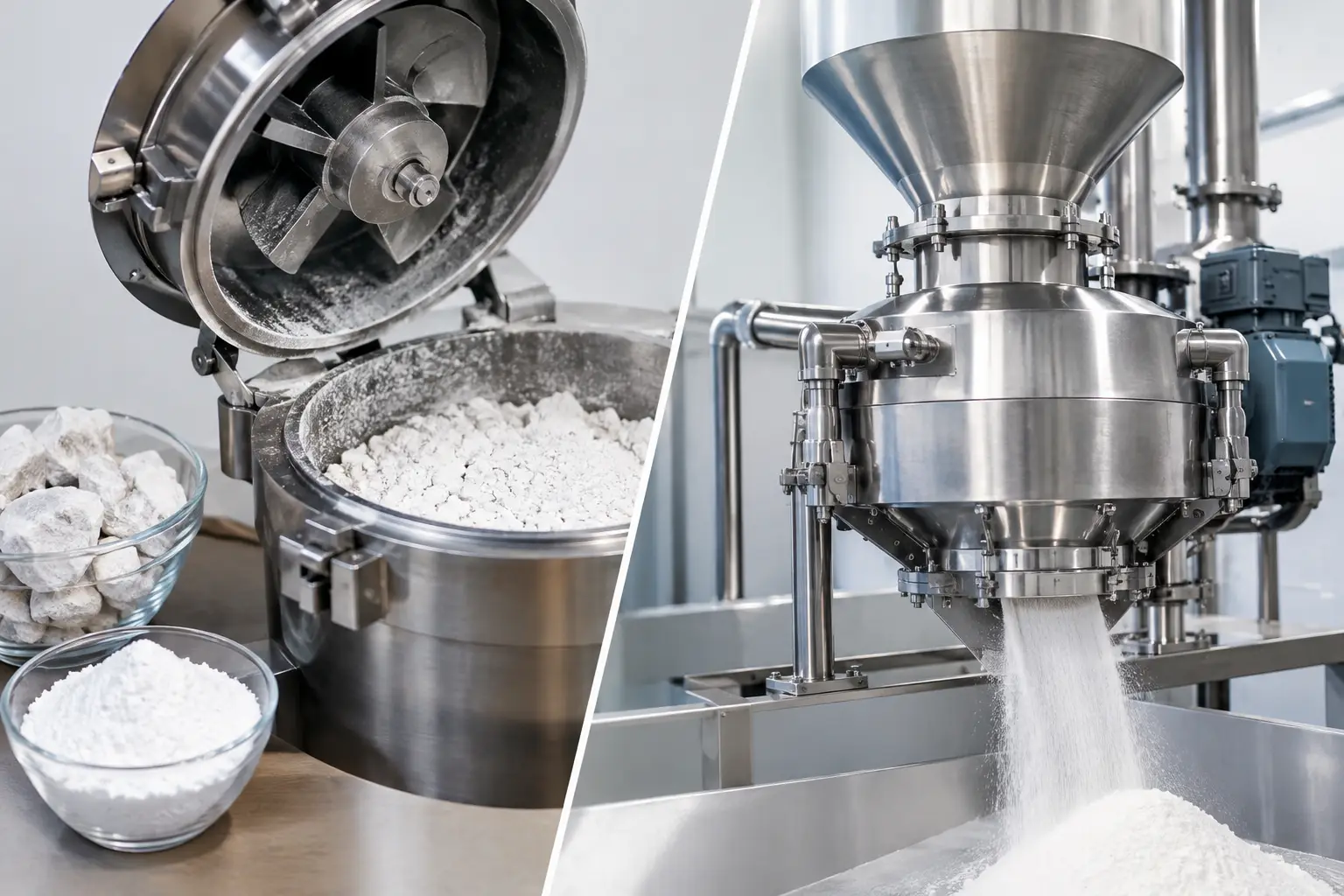
PerMix Ensures Safety on the Mixing Side
Even perfectly milled peach pits can be dangerous if not blended uniformly.
PerMix addresses these risks through:
High-uniformity Ribbon Mixers
Perfect for feed blends requiring consistent distribution of micro-ingredients.
Paddle Mixers & Fluidized Zone Mixers
Gentle yet thorough blending without damaging sensitive feed components.
Vacuum Mixing/Drying Options
Crucial for stabilizing moisture-sensitive ingredients like peach skins.
Load Cells + PLC Controls
Ensures that peach-pit additives never exceed safe inclusion levels.
Consistency is safety — and PerMix makes consistency scalable.
Why This Revival Matters to Organic Agriculture
Three converging forces are bringing fruit-pit feed systems back into the spotlight:
1. Organic producers want natural grit and gut enhancers
Peach-derived additives fit perfectly into natural feed formulations.
2. Agricultural waste streams are becoming revenue streams
Processors want value-added uses for pits, skins, and fruit residues.
3. Flock health demands natural solutions
Gut health beats antibiotics, and abrasive-fiber combinations support healthy digestion.
Peach byproducts are a rare technology where sustainability, animal health, and economics intersect.
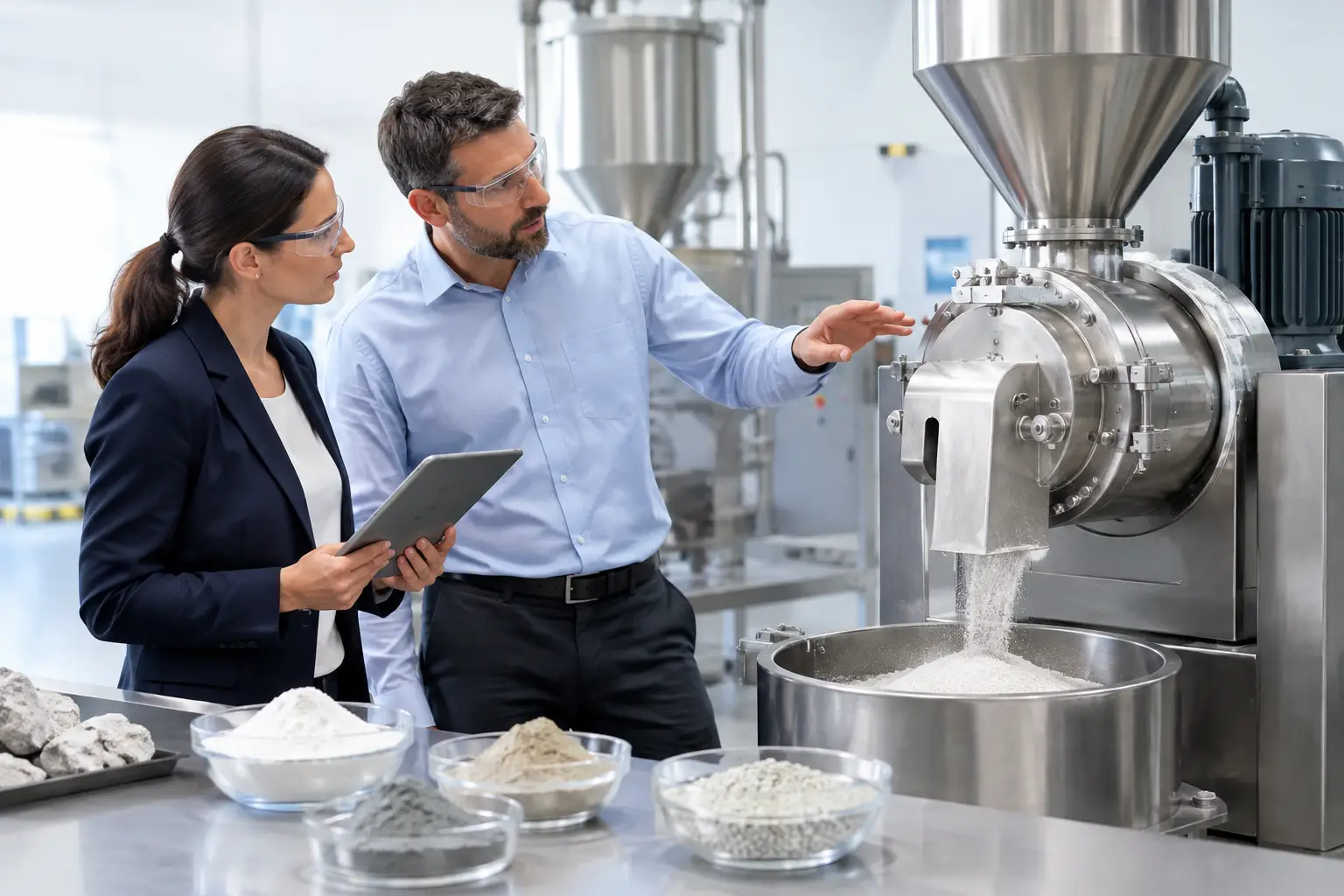
PerMix & DP Pulverizers: Enabling a Safe, Scalable, Modern Peach-Pit Feed System
The concept may have roots in the 70s, but its future belongs to today’s engineering.
DP Pulverizers delivers the milling precision required for safety.
PerMix delivers the mixing consistency required for performance.
Together, they create a system where:
- waste becomes value
- natural ingredients replace synthetics
- safety is engineered, not assumed
- organic producers gain a new competitive edge
This is the rebirth of a forgotten idea — made viable by modern process technology.