Pharmaceutical Milling: Why Particle Size Matters More Than You Think in Pharmaceutical Manufacturing
In pharmaceutical milling & manufacturing, particle size isn’t a preference.
It’s a performance variable.
The size and distribution of API particles directly influence:
• Dissolution rate
• Bioavailability
• Content uniformity
• Flowability during blending, tableting, and encapsulation
A few microns too large—or too fine—can trigger real problems:
• Failed dissolution testing
• Poor blend homogeneity
• Segregation during handling
• Compression and dosing inconsistencies
This is why pharmaceutical milling is never “just grinding.”
It’s controlled size reduction with intent, repeatability, and a deep understanding of material behavior. APIs don’t behave politely. Some fracture cleanly. Others smear, deform, heat up, or agglomerate the moment energy is applied.
That’s where many milling processes fall apart.
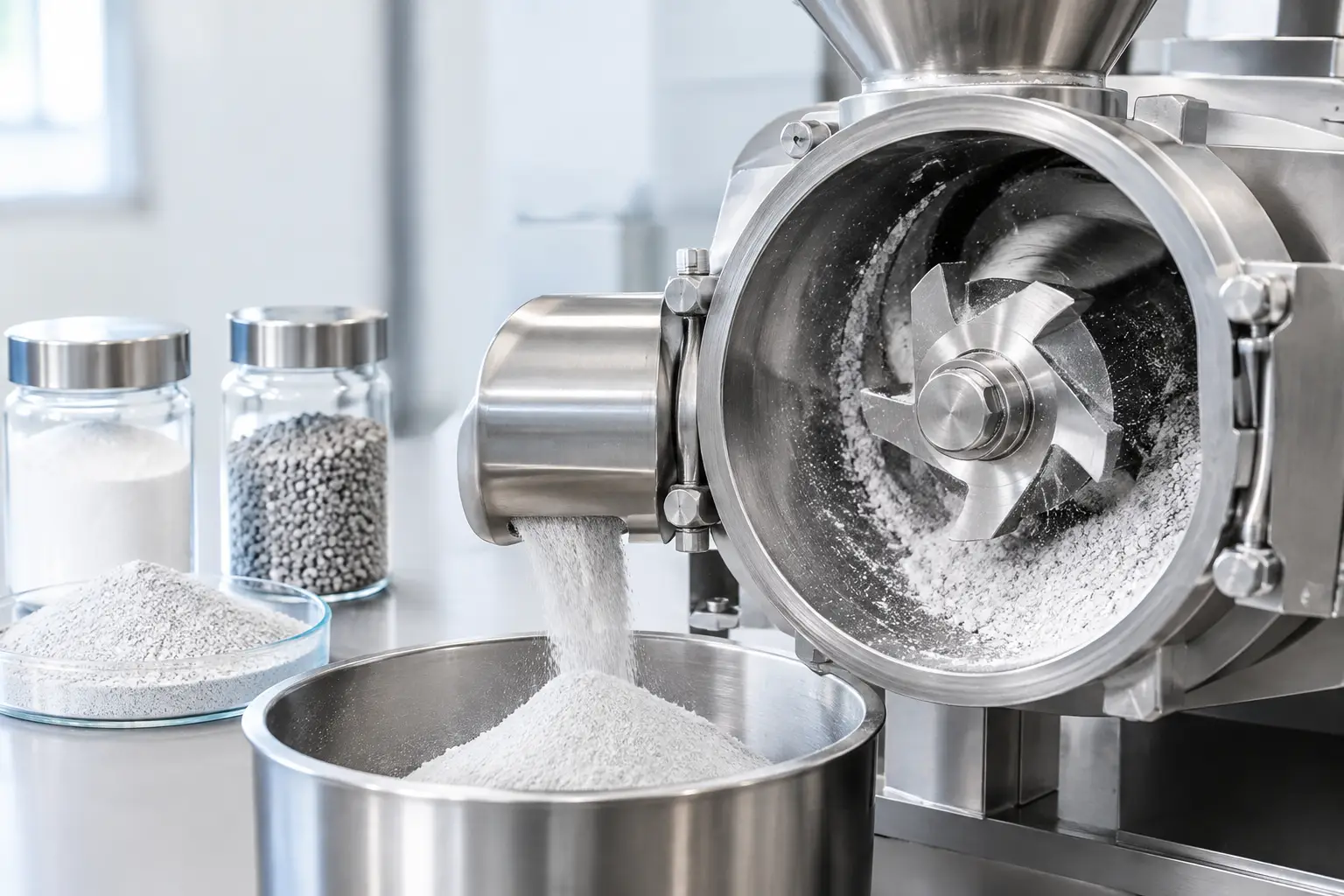
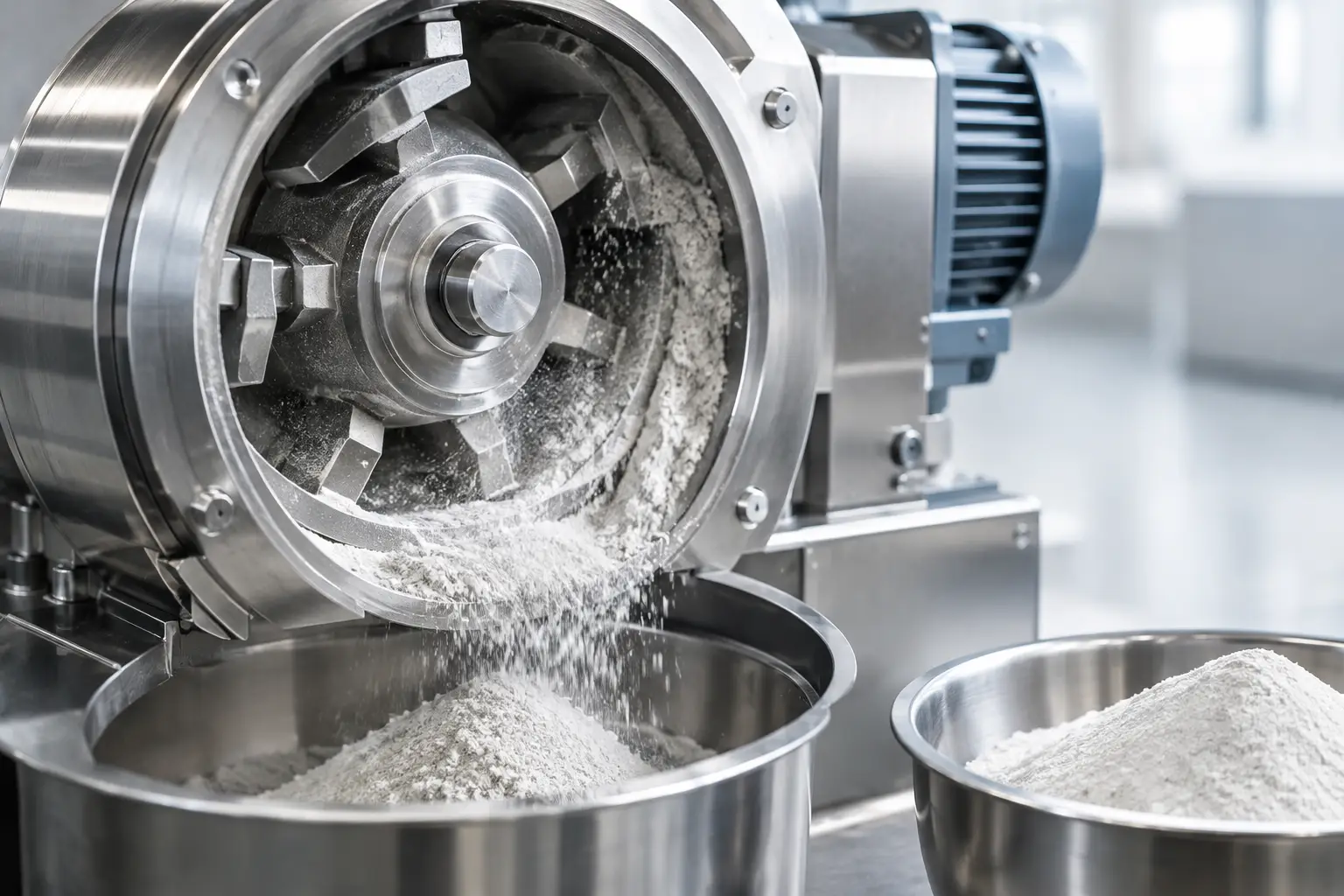
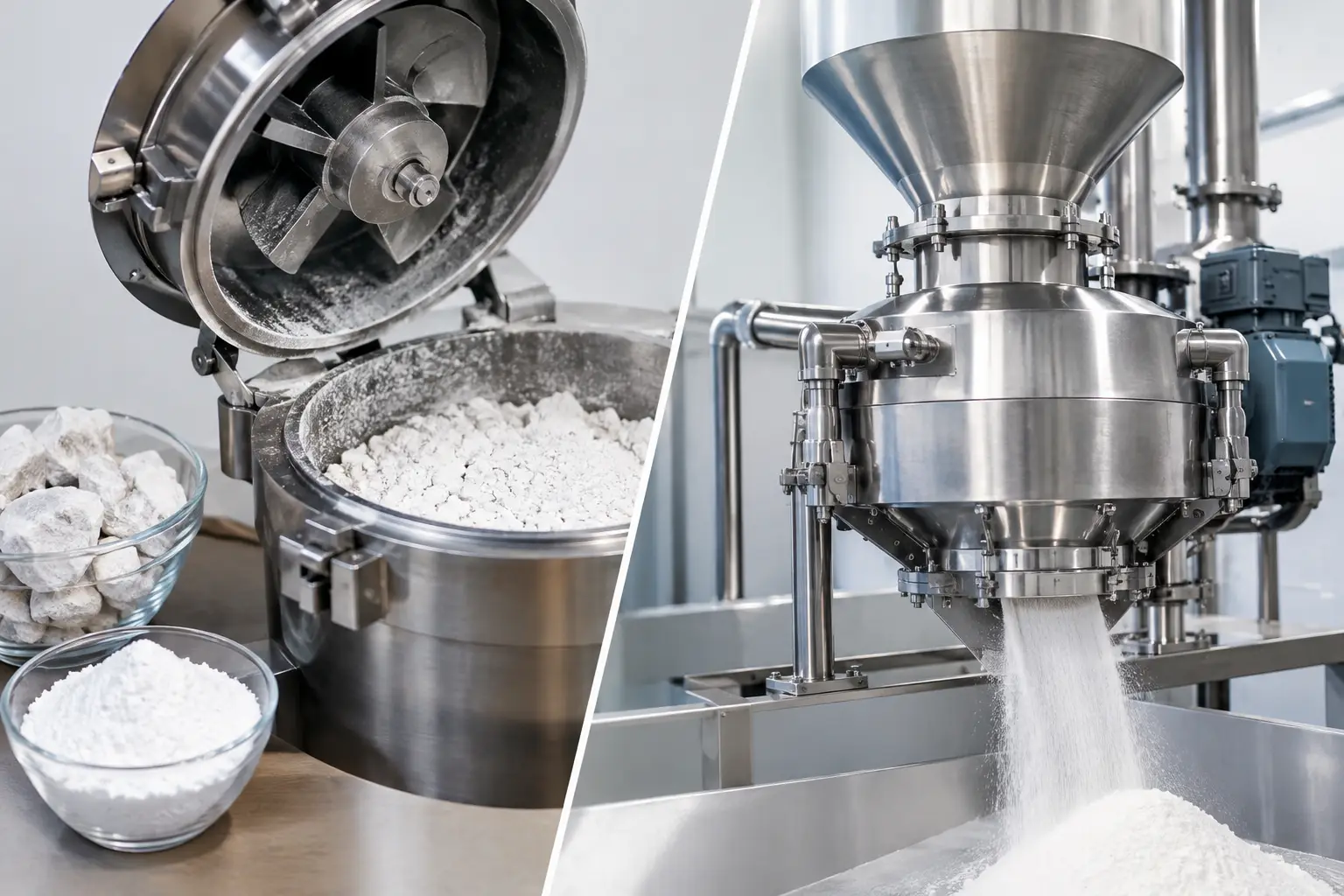
At DP Pulverizers, pharmaceutical milling systems are engineered to control particle size distribution, not chase it after the fact. From coarse pre-milling to micron-level refinement, the goal is predictable, repeatable performance—batch after batch.
In pharmaceuticals, consistency isn’t a bonus feature.
It is the product.
#PharmaceuticalManufacturing #APIProcessing #ParticleSizeControl #DrugDevelopment #PharmaEngineering #MillingTechnology #DPPulverizers