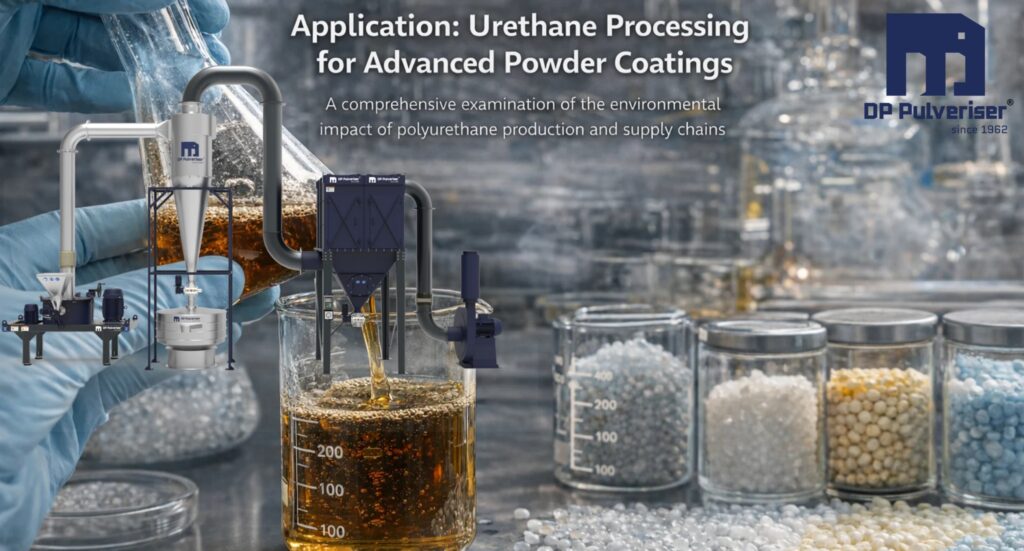
From Pellets to Powder: Rethinking Urethane Processing for Advanced Powder Coatings
Introduction: The Evolution of Powder Coating Feedstocks
Powder coating manufacturing has long relied on a standardized process: blending fine raw materials, melt compounding via extrusion, and grinding into a final powder suitable for electrostatic application.
This approach has delivered decades of success across industries ranging from automotive to appliances. However, as coating performance requirements evolve—particularly in flexibility, chemical resistance, and sustainability—so too must the way materials are processed.
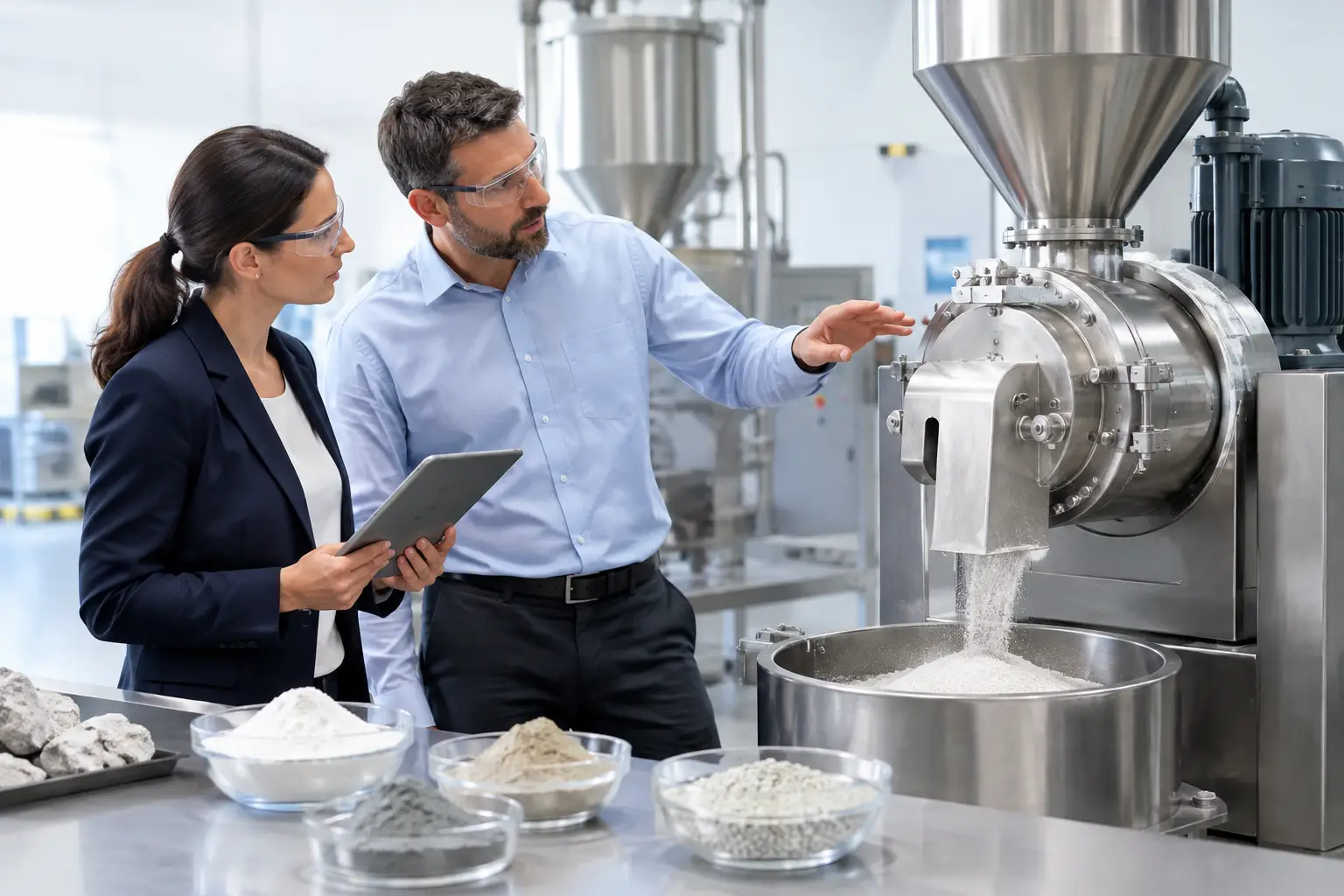
One emerging approach gaining traction among advanced manufacturers is the use of pelletized urethane resins that are ground into powder prior to extrusion. While unconventional, this method addresses several critical limitations in traditional powder coating workflows.
Traditional Powder Coating Process
The conventional process follows these steps:
- Raw materials (resins, pigments, additives) are dry blended as powders
- The blend is fed into an extruder for melt compounding
- The molten mass is cooled into sheets or chips
- The material is ground into fine powder (typically 20–80 microns)
- Powder is applied via electrostatic spray and cured
While effective, this method assumes that all raw materials are available and processable in powder form—an assumption that is increasingly being challenged.
The Emerging Approach: Pellet-to-Powder Processing
A growing number of manufacturers are now implementing the following workflow:
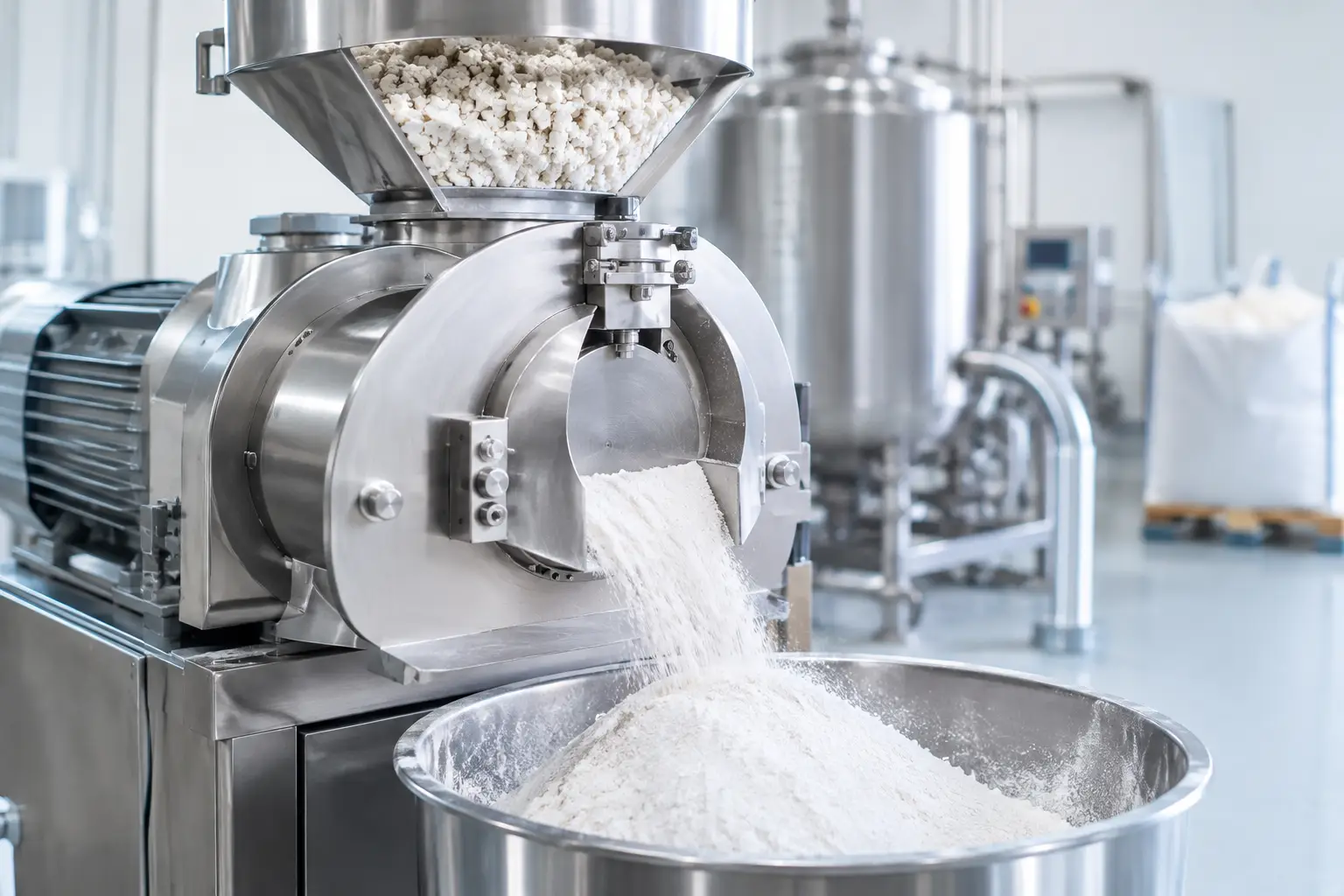
- Urethane pellets (TPU, polyester urethane, etc.) are ground into powder
- The powder is blended with pigments and additives
- The mixture is fed into an extruder for melt compounding
- The extrudate is cooled and ground into final coating powder
At first glance, grinding pellets before extrusion may appear redundant. In reality, it introduces significant processing advantages that directly impact product quality and manufacturing efficiency.
Why Grind Pellets Before Extrusion?
Improved Dispersion of Additives
Additives such as pigments, fillers, and curing agents are typically micron-scale powders.
Feeding pellets directly into an extruder alongside fine powders can result in poor dispersion, agglomeration, and visual defects such as “fish eyes.”
By converting pellets into powder first, manufacturers achieve uniform particle-to-particle contact, more consistent melt blending, and superior coating appearance and performance.
Enhanced Extrusion Efficiency
Powdered feedstock melts more rapidly than pellets due to increased surface area.
This results in faster heat transfer, reduced energy consumption, increased throughput, and lower mechanical stress on the extruder. For heat-sensitive urethane systems, this is particularly valuable in preventing thermal degradation.
Improved Feeding Consistency
Pellets can present challenges such as bridging in hoppers, inconsistent mass flow, and segregation during handling.
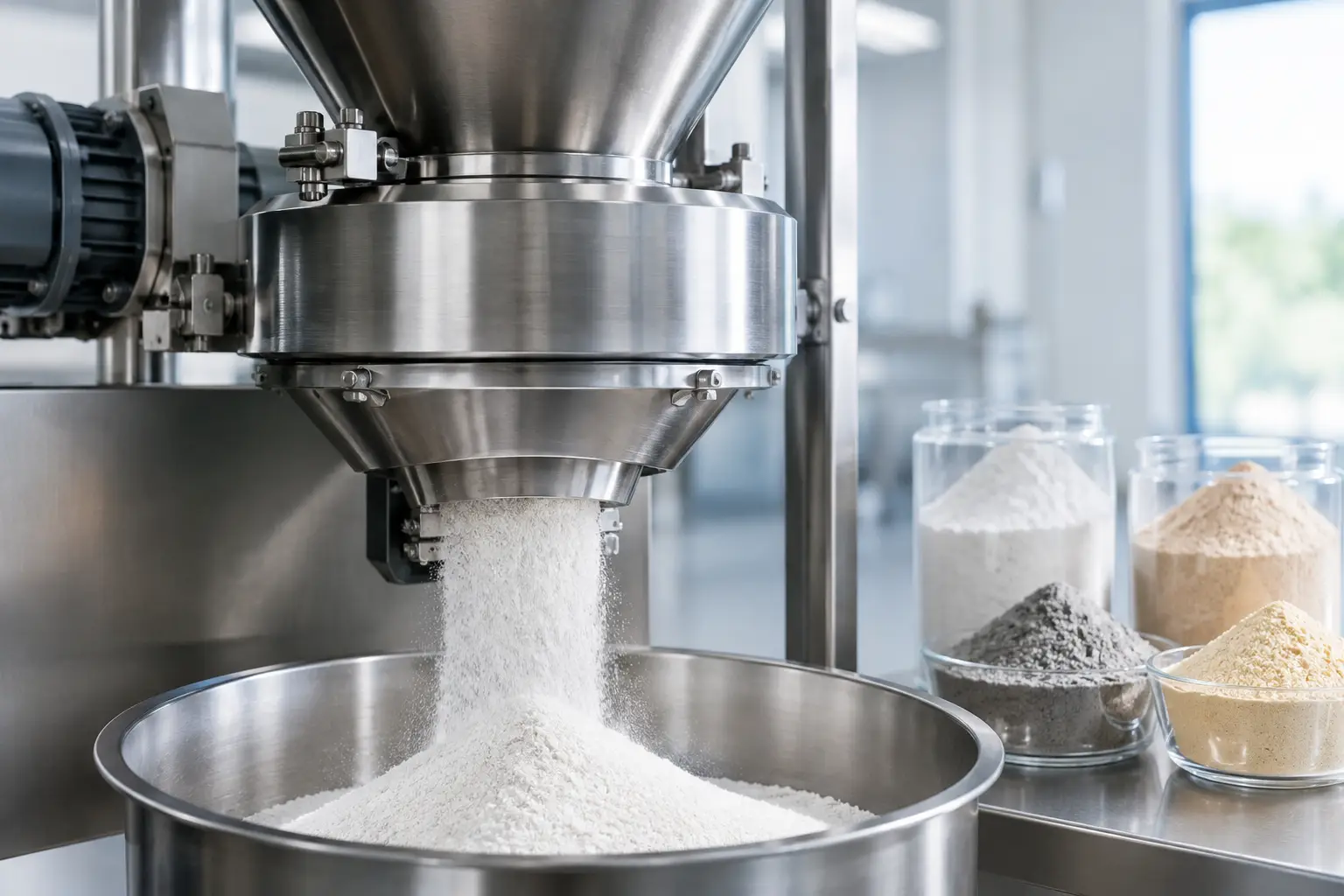
Powder feeding systems—especially loss-in-weight feeders—offer precise dosing, improved batch repeatability, and better process control.
Supply Chain Flexibility
Many urethane resins are more readily available in pellet form due to their use in thermoplastic processing industries.
Grinding pellets enables integration of existing polymer supply chains, use of specialty urethane grades not available as powders, and greater flexibility in formulation development.
Engineering Challenges in Pellet Grinding
Despite its advantages, grinding urethane pellets presents significant technical challenges.
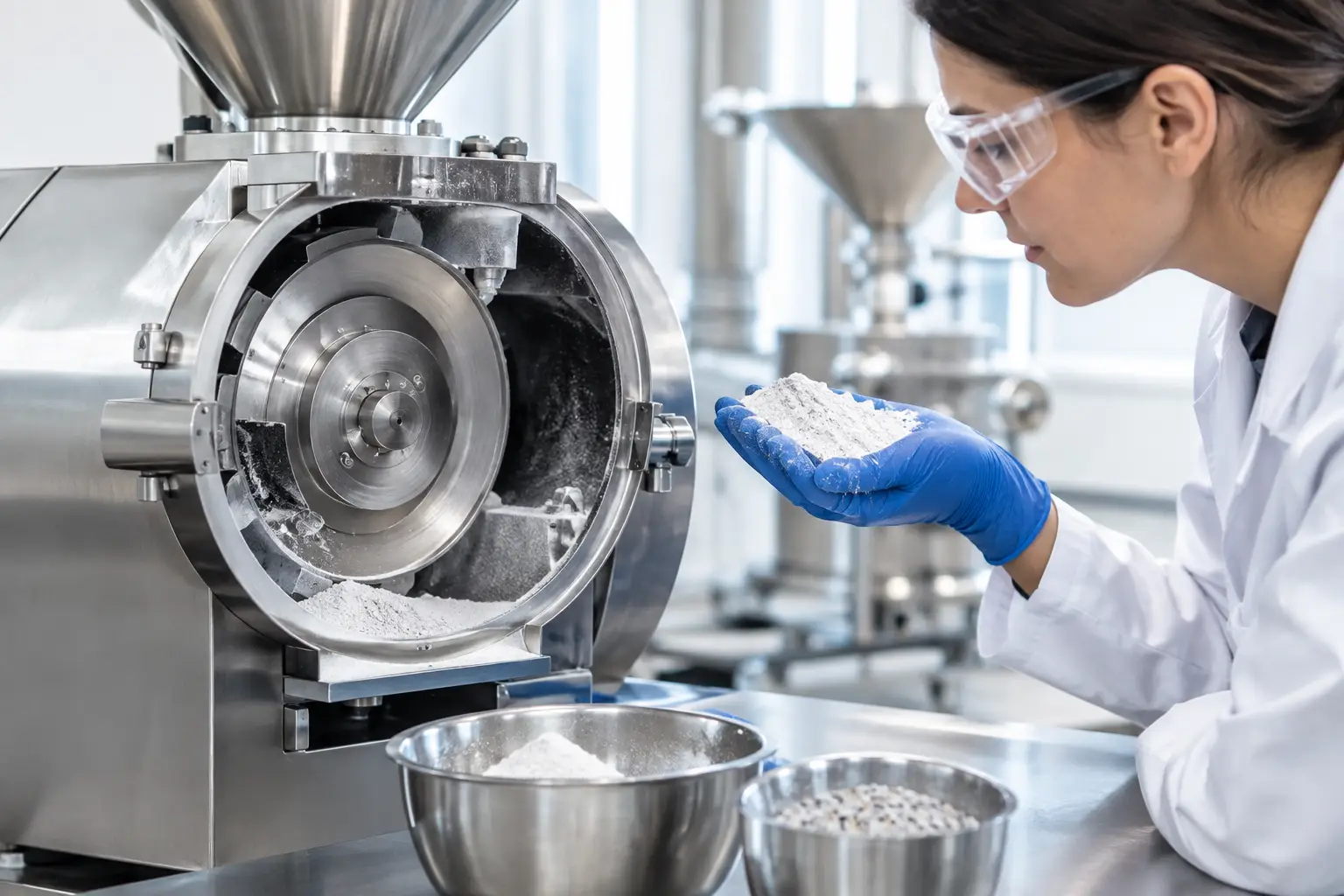
Material characteristics include elasticity, heat sensitivity, and a tendency to smear or agglomerate under mechanical stress.
If not properly controlled, milling can result in particle melting, broad or inconsistent particle size distribution (PSD), and poor downstream flowability.
The Role of Cryogenic Grinding
To overcome these challenges, cryogenic grinding systems are often required.
By introducing liquid nitrogen, the material becomes brittle, allowing clean particle fracture while eliminating heat buildup.
This results in tighter PSD control, reduced agglomeration, and consistent powder quality.
Alternative systems such as air classifier mills or pin mills may be used with advanced temperature control, but cryogenic systems remain the most effective solution for elastomeric materials like urethane.
System-Level Approach: Beyond a Single Machine
Successfully implementing pellet-to-powder processing requires an integrated system approach.
Key components include pellet handling and feeding systems, cryogenic or temperature-controlled grinding, high-intensity powder blending, precision feeding into extrusion systems, and post-extrusion grinding and classification.
This is not a single equipment solution—it is a process engineering challenge that requires coordination across multiple stages to achieve consistent results.
Applications and Industry Impact
This approach is particularly valuable in urethane powder coatings that require flexibility and impact resistance, automotive coatings that demand durability and finish quality, and functional coatings with advanced chemical resistance.
It also plays a growing role in sustainable and recycled material systems, where pelletized or reclaimed materials must be reprocessed into high-performance powders.
As environmental and safety regulations continue to evolve, reducing dust exposure and improving material handling will further drive adoption of this approach.
Market Perspective: Early Adoption, High Potential
While the majority of powder coating manufacturers continue to rely on traditional powder-based feedstocks, a growing segment—estimated at less than 20 percent of the market—is exploring alternative processing routes.
These include pellet-derived powders, recycled coating materials, and hybrid thermoplastic/thermoset systems.
This positions pellet-to-powder processing as an emerging but high-impact innovation within the industry.
Conclusion: A Strategic Shift in Processing
Grinding urethane pellets into powder prior to extrusion is not a redundant step—it is a strategic enhancement of the powder coating process.
By enabling better dispersion, improving extrusion efficiency, and expanding material flexibility, this approach offers a compelling path forward for manufacturers seeking higher performance and greater process control.
As the industry continues to evolve, those who adopt and optimize these advanced processing methods will be best positioned to lead in both product quality and operational efficiency.